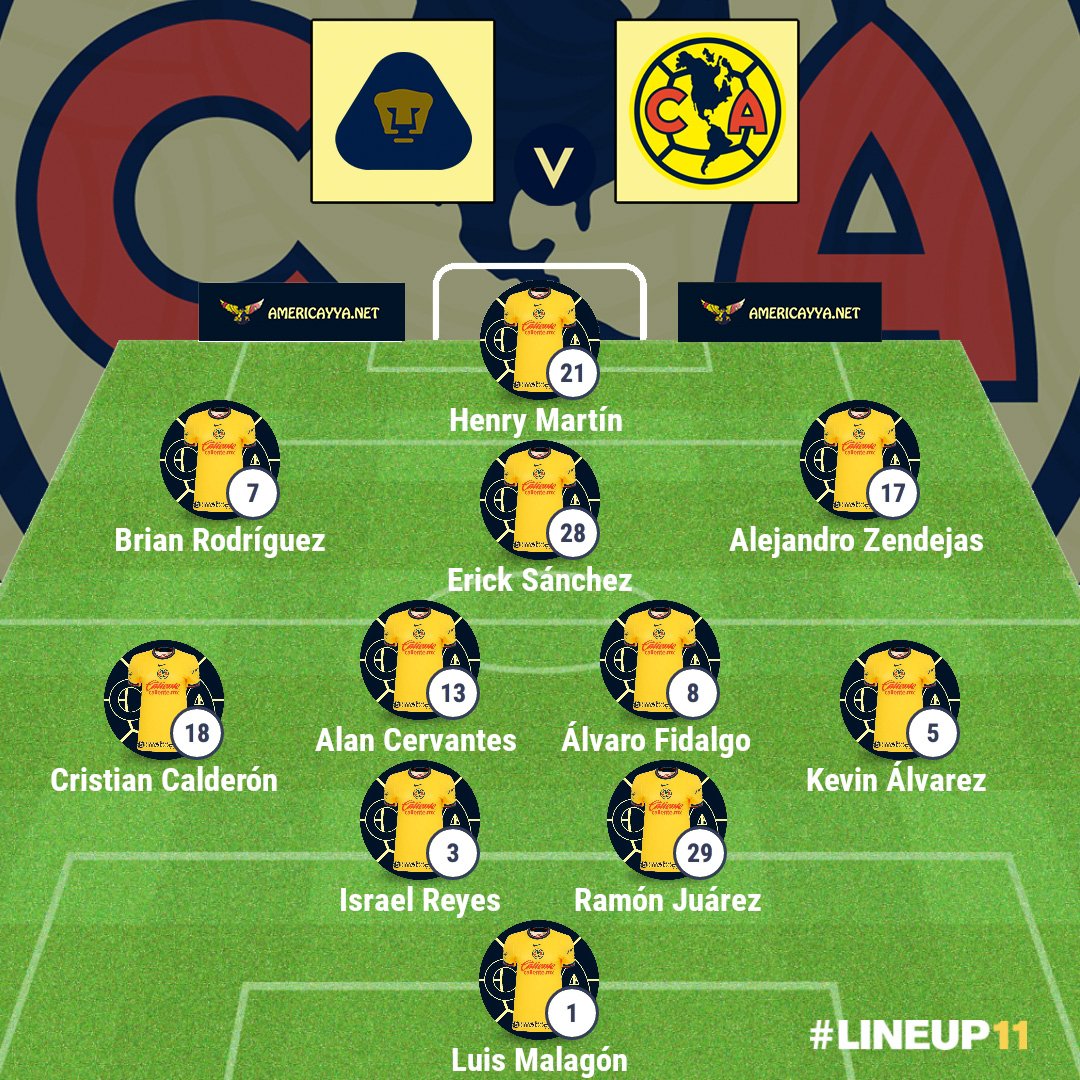
When the legendary Águilas of Club América take to the pitch, every fan, analyst, and rival coach wants to know one thing: What's the 'Alineación Oficial Club América'? It's more than just a list of names; it's the tactical blueprint, the chosen warriors, and the very heart of their strategy. For the 2025/2026 season, under the astute guidance of André Soares Jardine, the Eagles have forged a formidable and adaptable squad, but there's always a favored starting XI that sets the tone for their relentless pursuit of victory.
This isn't just about who plays; it's about the synergy, the roles, and the tactical intelligence that Jardine instills. While injuries, suspensions, and opponent strategies inevitably lead to changes, understanding the core 'Alineación Oficial Club América' gives you an unparalleled insight into how this powerhouse club operates.
At a Glance: Club América's Core Strengths (2025/2026 Season)
- Preferred Formation: A dynamic and balanced 4-2-3-1, utilized in most Primera División matches.
- Typical Starting XI: Luis Malagón (GK); Cristián Borja, Ramón Juárez, Sebastián Cáceres, Kevin Álvarez (Defenders); Álvaro Fidalgo, Érick Sánchez (Midfielders); Allan Saint-Maximin, Alexis Gutiérrez, Álex Zendejas (Attacking Midfielders); Rodrigo Aguirre (Striker).
- Head Coach: André Soares Jardine, 46, boasting a 53% win rate and 1.91 points per game.
- Squad Makeup: A robust 48-player roster with an average age of 25.1 years, blending seasoned veterans with exciting young talent.
- International Flair: 13 foreign players (27% of the squad) bring diverse experience and skill sets.
- Tactical Flexibility: While 4-2-3-1 is key, Jardine frequently deploys 4-4-2, 4-3-3, and other formations to adapt.
Decoding the Eagles' Standard Play: The 4-2-3-1 Formation
For André Jardine, the 4-2-3-1 isn't just a formation; it's a philosophy built on defensive solidity, midfield control, and blistering attacking transitions. This setup allows Club América to dominate possession, press high, and exploit wide areas with speed and precision. It’s the framework that typically defines the 'Alineación Oficial Club América' when they want to dictate the tempo of a match.
Let's break down the probable starters within this preferred system:
The Last Line of Defense: Goalkeeper
- Luis Malagón (#1, 28 years): The undisputed number one. Malagón combines sharp reflexes with excellent distribution, making him crucial for initiating attacks from the back. His command of the box and shot-stopping prowess provide a vital sense of security.
The Stalwart Back Four: Defenders
Jardine's defensive line is characterized by a blend of tactical intelligence, physical presence, and the ability of the full-backs to contribute significantly to the attack.
- Left-Back: Cristián Borja (#26, 32 years): An experienced and robust defender, Borja offers reliability on the left flank. His defensive awareness is paramount, but he also possesses the ability to overlap and deliver dangerous crosses, providing width and support to the attack.
- Center-Back: Ramón Juárez (#29, 24 years): A rising star, Juárez brings youth, athleticism, and a strong aerial presence to the heart of the defense. His composure under pressure and passing range are key for building play from the back.
- Center-Back: Sebastián Cáceres (#4, 26 years): The defensive anchor. Cáceres is known for his calm demeanor, tactical positioning, and strong tackling. He's often the organizer of the backline, stepping up to intercept or cover when needed. His partnership with Juárez forms a formidable central pairing.
- Right-Back: Kevin Álvarez (#5, 27 years): Álvarez is a modern full-back, renowned for his relentless engine and attacking instincts. He bombs down the right wing, providing an extra dimension to América's offense with his pace, dribbling, and crossing ability, all while fulfilling his defensive duties diligently.
The Engine Room: Double Pivot Midfielders
The two central midfielders are the heartbeat of Jardine's system, responsible for breaking up play, controlling tempo, and transitioning the ball from defense to attack.
- Central Midfield: Álvaro Fidalgo (#8, 28 years): The Spanish maestro. Fidalgo is the linchpin of América's midfield, a player whose vision, passing accuracy, and tireless work rate make him indispensable. He dictates play, links defense with attack, and can often be found making crucial interceptions or surging forward to support the offense.
- Central Midfield: Érick Sánchez (#28, 26 years): A dynamic and energetic presence alongside Fidalgo. Sánchez offers a blend of defensive tenacity and attacking drive. He covers a lot of ground, wins tackles, and possesses the ability to carry the ball forward, making him a perfect complement to Fidalgo's playmaking.
The Creative Force: Attacking Midfielders
This trio provides the attacking flair, creativity, and goal threat from behind the main striker, often interchanging positions to confuse defenders.
- Left Attacking Midfielder: Allan Saint-Maximin (#97, 28 years): The French winger brings explosive pace, dazzling dribbling, and an unpredictable style that can unlock any defense. His ability to beat defenders one-on-one and create chances or score himself makes him a constant threat on the left flank.
- Central Attacking Midfielder: Alexis Gutiérrez (#20, 25 years): Operating in the "number 10" role, Gutiérrez is the creative hub. He's adept at finding pockets of space, threading killer passes, and linking up with the striker and wingers. His vision and technical skill are crucial for breaking down compact defenses.
- Right Attacking Midfielder: Álex Zendejas (#10, 27 years): Zendejas is a direct and incisive winger on the right. His powerful left foot, ability to cut inside, and knack for scoring crucial goals make him a primary offensive weapon. He combines well with Kevin Álvarez on the right to overload the opponent's left side.
The Point of the Spear: Striker
- Forward: Rodrigo Aguirre (#27, 31 years): Aguirre leads the line with a strong physical presence, excellent hold-up play, and a keen eye for goal. He's tasked with occupying opposition center-backs, creating space for the attacking midfielders, and capitalizing on scoring opportunities. His experience and ability to finish make him a reliable focal point for the attack.
Meet the Maestro: André Soares Jardine's Vision
At 46, André Soares Jardine has transformed Club América into a well-oiled machine, his strategic acumen clearly reflected in the typical 'Alineación Oficial Club América'. With a strong record of 66 wins, 33 draws, and 26 losses in 125 official matches – equating to an impressive 53% win rate and 1.91 points per game – Jardine has proven his capability to deliver results.
His coaching philosophy emphasizes tactical discipline combined with creative freedom in the final third. He demands high intensity, pressing from the front, and quick transitions. This requires players who are not only technically proficient but also tactically intelligent and physically robust, which explains the blend of experience and youthful dynamism evident in his squad selections. Jardine's success lies in his ability to identify player strengths and fit them into a cohesive system that maximizes their potential while minimizing weaknesses.
Beyond the Usual Suspects: Versatility and Other Formations
While the 4-2-3-1 serves as the bedrock for the 'Alineación Oficial Club América', Jardine is far from a one-trick pony. A truly effective coach understands the need for adaptability, and Jardine routinely demonstrates this by deploying various formations depending on the opponent, match circumstances, or even the venue. This tactical flexibility is a testament to the depth and versatility of the América squad.
Other formations seen in Primera División play include:
- 4-4-2 (3 times): Offers a more traditional, compact midfield and a dual strike force, potentially when facing strong central teams or needing to press higher with two forwards.
- 4-3-3 (3 times): Emphasizes wide play and an aggressive attacking front, often used when América aims for overwhelming offensive pressure or against teams that sit deep.
- 3-4-3 (2 times): A highly offensive formation that sacrifices a central defender for more attacking impetus, creating wide overloads and an intense forward press.
- 5-4-1 (2 times): A more conservative, counter-attacking approach, typically used in difficult away matches or when protecting a lead, focusing on defensive solidity and quick breaks.
- 4-1-4-1 (2 times): A variation of the 4-2-3-1, with a single holding midfielder and a more advanced line of four, offering robust midfield presence and attacking options.
- 4-1-3-2 (1 time): Allows for a strong defensive shield while providing both central creativity and two strikers, useful for breaking down stubborn defenses.
- 3-4-2-1 (1 time): Another attacking setup with a three-man defense, emphasizing wing-backs and two creative players behind a central striker.
Understanding these variations is crucial for any fan following Club América. It highlights that the "official lineup" can shift dramatically, offering different strategic advantages. This adaptability becomes especially critical in high-stakes encounters, where every tactical nuance matters, much like when analyzing Inter Miami vs Club America lineups for a continental showdown. Jardine’s willingness to tweak his system ensures that Club América remains unpredictable and difficult to counter, keeping opponents guessing about the exact 'Alineación Oficial Club América' they'll face on any given day.
The Squad Depth: Who's Waiting in the Wings?
Club América's success isn't solely dependent on its starting XI; the depth of the squad is equally vital, especially across a long season with multiple competitions. With a massive 48-player roster for the 2025/2026 season, Jardine has an embarrassment of riches, allowing for rotation, injury cover, and tactical adjustments.
Goalkeepers: Reliability and Future Prospects
Beyond Malagón, the goalkeeping department is robust:
- Rodolfo Cota (#30, 38 years): A seasoned veteran whose experience and leadership are invaluable in the locker room and on the training ground. He's a reliable backup ready to step in.
- Norberto Bedolla (#181, 20 years), C. Lugo (22 years), Fernando Tapia: These young talents represent the future, gaining experience and pushing for playing time.
Defenders: A Wealth of Options
The defensive line has significant depth, ensuring quality even when starters are unavailable:
- Israel Reyes (#3, 25 years): A versatile defender capable of playing center-back or defensive midfield, offering crucial flexibility.
- Néstor Araújo (#14, 34 years): Another highly experienced center-back, providing leadership and a calm presence.
- Ralph Orquin (#15, 22 years), Aarón Mejía (#18, 24 years), Miguel Vázquez (#32, 21 years), Jorge Meré (28 years), L. Camarena (21 years), P. Villa (22 years): These players offer a mix of proven quality (Meré) and exciting young prospects, ensuring competition and cover across all defensive positions.
- Igor Lichnovsky (#31, 31 years): A strong, no-nonsense defender who adds physicality and aerial prowess to the backline, often challenging for a starting spot.
Centrocampistas: The Heartbeat of the Team
The midfield is packed with talent, offering various profiles to suit different tactical needs:
- Jonathan dos Santos (#6, 35 years): A veteran midfielder whose experience, passing range, and positional awareness are invaluable, especially in managing the tempo of games.
- Brian Rodríguez (#7, 17 years): An exciting young talent with incredible potential, bringing energy and creativity.
- Isaías Violante (#12, 22 years), Alan Cervantes (#13, 28 years), Rodrigo Dourado (#17, 31 years), Dagoberto Espinoza (#34, 21 years), S. Naveda (24 years), A. Álvarez (22 years), A. Arredondo (22 years), D. Arriaga (21 years), S. Vallejo (21 years), D. Alvarado (21 years), Á. Contreras (20 years), J. Quintero (25 years): This extensive list highlights the depth. From experienced campaigners like Dourado to the promising Espinoza, América has midfielders who can fulfill defensive, box-to-box, or creative roles, allowing Jardine to fine-tune his 'Alineación Oficial Club América' for any opponent.
Delanteros: Clinical Finishers and Dynamic Forwards
América boasts a potent attacking line, ensuring goals from various sources:
- Henry Martín (#9, 33 years): The captain, a proven goalscorer, and a leader on the field. Even if not starting every game, his impact from the bench or as a rotational starter is immense. His aerial ability and predatory instincts are a constant threat.
- Víctor Dávila (#11, 28 years): A versatile forward who can play across the front line, bringing pace, dribbling, and a good shot.
- Raúl Zúñiga (#19, 31 years): Offers another experienced option upfront, known for his work rate and ability to link up play.
- B. Rodríguez (25 years), F. García (22 years), P. Salas (21 years), C. Vela (21 years), Y. Shtrimling (22 years), D. Reyes (18 years), A. Fernández de Lara (19 years): This group represents a mix of established backups and young talents who are eager to make their mark, providing dynamic options and a competitive edge to the squad.
Players on Loan: Strategic Management
Club América also strategically manages its assets with players out on loan, like:
- A. Cruz (28 years, Defender) to Tijuana: Gaining valuable first-team experience.
- J. Dilrosun (27 years, Forward) to Los Angeles: Showcasing talent in a different league.
These players could either return stronger for future seasons or become valuable transfer assets. The sheer volume of talent ensures that the 'Alineación Oficial Club América' is never weak, even with squad rotation.
Key Player Profiles & Their Impact on the Alineación
While the numbers speak volumes, the individual brilliance of specific players truly shapes the 'Alineación Oficial Club América'. Here's a closer look at some of the most influential figures:
The Seasoned Veterans
- Henry Martín (#9, 33 years): The undisputed leader and talisman. His goal-scoring record speaks for itself, but his leadership, work rate, and ability to hold up the ball are equally vital. He sets the standard for effort and focus.
- Jonathan dos Santos (#6, 35 years): A midfield general who brings a wealth of experience from top European leagues. His calm presence, intelligent passing, and ability to break up play are crucial, especially in high-pressure matches.
- Néstor Araújo (#14, 34 years): A central defender who reads the game impeccably. His experience is invaluable in guiding younger defenders and maintaining defensive shape.
The Core Pillars
- Álvaro Fidalgo (#8, 28 years): The creative engine in midfield. Fidalgo's ability to dictate tempo, unlock defenses with incisive passes, and drive forward makes him irreplaceable. He's the player who makes the 'Alineación Oficial Club América' tick.
- Álex Zendejas (#10, 27 years): A winger with a potent goal threat. His pace, dribbling, and powerful shot from the right flank are a constant headache for opponents. He provides crucial width and directness to the attack.
- Sebastián Cáceres (#4, 26 years): Composed and commanding, Cáceres is the glue that holds the defense together. His aerial prowess, tackling ability, and leadership at the back are foundational to Jardine's defensive structure.
- Luis Malagón (#1, 28 years): Beyond just shot-stopping, Malagón's confidence and ability to command his area instill belief throughout the team. His distribution is also a key factor in launching quick counter-attacks.
The Rising Stars & Dynamic Talent
- Brian Rodríguez (#7, 17 years): Despite his young age, Brian possesses a raw talent and fearlessness that make him an exciting prospect. His speed and dribbling can change a game in an instant, and he's poised for a breakout.
- Érick Sánchez (#28, 26 years): A tireless box-to-box midfielder, Sánchez adds incredible energy and bite to the midfield. His ability to win possession and drive forward complements Fidalgo perfectly, making the midfield pairing formidable.
- Kevin Álvarez (#5, 27 years): An attacking full-back who brings dynamism and width. His ability to overlap, deliver crosses, and even score makes him a key offensive outlet, stretching opposition defenses.
The Foreign Influence
The 13 foreign players on the roster, comprising 27% of the squad, inject invaluable international experience and diverse skill sets. Players like:
- Allan Saint-Maximin (#97, 28 years): His unique flair and explosive dribbling offer an unpredictable edge that can dismantle any defense.
- Cristián Borja (#26, 32 years): Provides steady experience and defensive assurance from the left-back position.
- Igor Lichnovsky (#31, 31 years): A strong, physical defender who adds another layer of robustness to the backline.
- Rodrigo Dourado (#17, 31 years): An experienced Brazilian midfielder, bringing tactical intelligence and composure.
- Rodrigo Aguirre (#27, 31 years): The Uruguayan forward, leading the line with his strength and goal-scoring instincts.
These players bring different cultural footballing perspectives and styles that enrich the team, often providing the decisive individual moments that turn games. The collective strength of these profiles means Jardine always has high-quality options, ensuring the 'Alineación Oficial Club América' is potent, no matter the specific selection.
Understanding Squad Dynamics: Age, Experience, and International Flavor
Looking beyond individual players, the overall composition of Club América's squad for the 2025/2026 season reveals a well-thought-out strategy.
Balanced Age Profile: With an average age of 25.1 years, the squad strikes an excellent balance between youthful exuberance and seasoned experience. This ensures that the team has the energy and hunger of younger players, guided by the wisdom and calm of veterans. It's a recipe for sustained performance throughout a demanding season.
International Diversity: The presence of 13 foreign players, making up 27% of the total roster, highlights Club América's global scouting network and its commitment to attracting top talent. These players bring diverse tactical understandings, different playing styles, and experience from various leagues and international competitions. This global perspective enriches the team's approach and broadens its strategic options.
Contractual Situations: The mention of one player in his last year of contract can be a double-edged sword. It could provide immense motivation for the player to perform at his absolute best to secure a new deal or a lucrative move. Alternatively, it could lead to speculation and distraction. Jardine's management of such situations will be key to maintaining team cohesion and focus.
Loaned Players as Assets: By sending players like A. Cruz and J. Dilrosun out on loan, Club América is not only managing its squad size but also developing future assets. These loans provide valuable playing time and experience that might not be available immediately in the competitive first team. It’s a smart strategy for nurturing talent and assessing potential future contributions to the 'Alineación Oficial Club América'.
This holistic view of the squad dynamics underscores the meticulous planning that goes into building a championship-contending team. Every aspect, from age to nationality to contract status, is a piece of the puzzle that Jardine and the Club América management put together to optimize performance.
Predicting the Starting XI: Factors Jardine Considers
While we've outlined the typical 'Alineación Oficial Club América', predicting the exact starting XI for any given match is an art, not a science. André Jardine's decisions are influenced by a multitude of factors, and understanding these helps fans anticipate the lineup.
- Opponent's Strengths and Weaknesses: This is paramount. Does the opponent play a high press? Are they strong in the air? Do they have a particularly quick winger? Jardine will tailor his lineup to exploit their weaknesses and neutralize their threats. For instance, a defensively strong opponent might necessitate more creative players in midfield, while a counter-attacking side might demand quicker defenders and more disciplined holding midfielders.
- Player Form and Fitness: Recent performance is a huge factor. A player on a hot streak might get the nod over a more established name who's struggling. Conversely, a player returning from injury might be eased back in with substitute appearances rather than immediate starts.
- Injury Status and Suspensions: These are non-negotiables. If a key player is injured or suspended, Jardine must find the best possible replacement from his deep squad. This is where squad depth truly shines.
- Tactical Game Plan for Specific Matches: Sometimes, the overall strategy for a game dictates player selection. A plan to dominate possession will favor technical passers, while a plan for quick counter-attacks will lean towards speed and directness.
- Rotation Due to Fixture Congestion: Club América often competes on multiple fronts (Liga MX, CONCACAF Champions Cup, etc.). Playing multiple games in a short period necessitates squad rotation to prevent player burnout and minimize injury risk. This means key players might be rested against perceived weaker opponents.
- Home vs. Away Games: While less impactful for a top club, some coaches adjust their lineups slightly for away games, perhaps opting for a more defensively robust 'Alineación Oficial Club América' or more counter-attacking options.
- Player Chemistry and Partnerships: Jardine also considers how well certain players combine on the pitch. Established partnerships, like Cáceres and Juárez in central defense or Fidalgo and Sánchez in midfield, are often prioritized for their proven cohesion.
By keeping these factors in mind, you can start to think like a coach and better understand the rationale behind Jardine's choices, making the anticipation of each 'Alineación Oficial Club América' all the more engaging.
Your Guide to Following Club América's Lineups
Staying updated with the 'Alineación Oficial Club América' is part of the thrill of being a fan. Here's how to ensure you're always in the know and how to appreciate the nuances of each selection:
- Official Club Channels: Always prioritize Club América's official social media accounts (Twitter/X, Instagram, Facebook) and their official website. These are the first places the lineup will be announced, typically an hour before kickoff.
- Trusted Sports News Outlets: Major sports news sites and apps (e.g., ESPN Deportes, TUDN, Fox Sports, Marca, etc.) that cover Liga MX extensively will also publish the 'Alineación Oficial Club América' as soon as it's released.
- Fantasy Football/Soccer Apps: If you play fantasy leagues, many apps integrate real-time lineup announcements, which can be a quick way to check.
- What to Look For in Pre-Game Analyses: Pay attention to pundit discussions leading up to the game. They'll often speculate on injuries, player form, and potential tactical shifts, giving you clues about what the 'Alineación Oficial Club América' might look like.
- Appreciating Tactical Nuances: Once the lineup is announced, don't just read the names. Consider:
- The Formation: Is it the typical 4-2-3-1, or has Jardine opted for a different setup? What does this tell you about the game plan?
- Surprise Inclusions/Exclusions: Who got a start unexpectedly? Who was rested? Try to deduce the reason (form, opponent, rotation).
- Player Roles: Are players in their natural positions, or have they been asked to play a different role? (e.g., a winger playing as a central attacking midfielder).
- Bench Strength: What options does Jardine have to change the game if things aren't going well? The quality on the bench is often as important as the starting XI.
By actively engaging with these details, you'll move beyond just knowing the 'Alineación Oficial Club América' to truly understanding the strategic depth and exciting possibilities it presents.
The Ever-Evolving Eagles' XI
The 'Alineación Oficial Club América' for the 2025/2026 season represents a powerful blend of tactical consistency and intelligent adaptation. While the 4-2-3-1 provides a reliable core, André Soares Jardine's willingness to experiment with formations and tap into the immense depth of his squad ensures that Club América remains dynamic, unpredictable, and formidable.
As a fan, understanding these layers – from the key players in the typical starting XI to the strategic reasons behind rotational choices – deepens your appreciation for the beautiful game. Each match brings a new challenge, a new strategy, and a new 'Alineación Oficial Club América' designed to conquer it. So, keep your eyes on the official announcements, enjoy the tactical battles, and celebrate the journey with the Águilas!