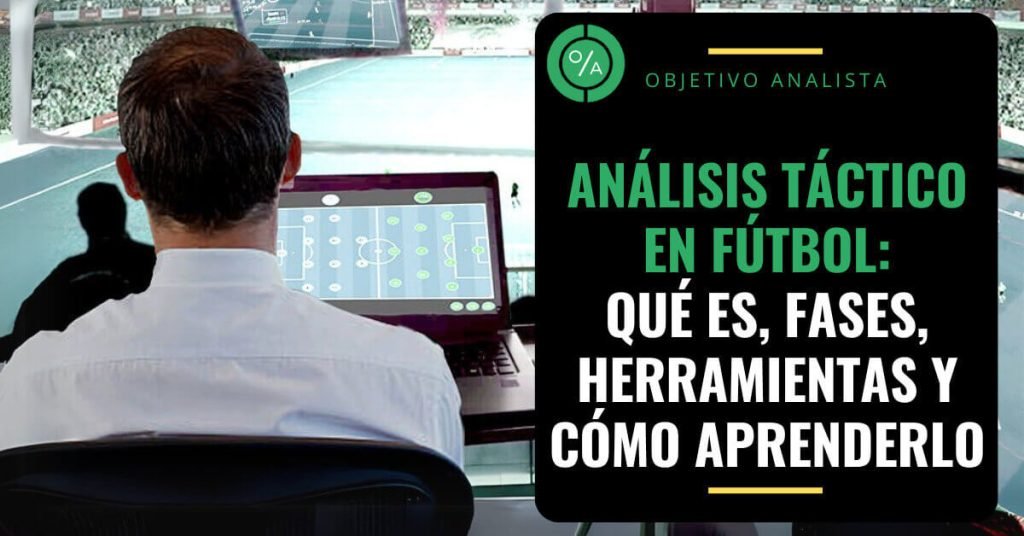
In the relentless chess match that is modern football, understanding the strategic deployment of players—what we call tactical analysis of formations—is the silent language of success. It's the coach's blueprint, the players' guide, and the very foundation upon which victories are built. Far from being static numbers on a whiteboard, formations are fluid, dynamic systems that dictate how a team attacks, defends, and controls the flow of the game, constantly adapting to opponents and the evolving demands of the match.
If you’ve ever wondered why a team suddenly looks impenetrable or how an underdog orchestrates a stunning upset, you're likely seeing the direct impact of tactical formation choices. These decisions, made deep in the analytical chambers of coaching staff, are the bedrock of performance, dictating everything from a striker's runs to a defender's positioning.
At a Glance: Formations in Modern Football
- Formations are the strategic distribution of players on the field, crafted by the coach to optimize performance and reflect a unique playing philosophy.
- Coaches adapt formations based on opponent analysis, player strengths/weaknesses, injuries, and game context.
- Common formations like the 4-4-2, 4-3-3, 3-5-2, 4-2-3-1, and 5-3-2 each offer distinct advantages and challenges.
- Tactical analysis systematically studies game strategies using data, video, and real-time observation to inform decisions.
- Technology is indispensable, with video analysis software acting as "eyes in the sky" to capture nuanced game dynamics and identify patterns.
- Individual player analysis evaluates specific skills and attributes, tailoring roles within the team's tactical framework.
- Modern trends include high-press tactics, fluid offensive roles, and advanced biometric data integration, all driven by sophisticated analysis.
The Blueprint of Battle: What Are Formations in Football?
At its heart, a football formation is simply the chosen arrangement of the eleven players on the pitch. But don't let that simplicity fool you; this arrangement is the fundamental expression of a team's strategy. It’s the framework designed by the manager to maximize strengths, exploit opponent weaknesses, and embody a particular philosophy of play. Whether a team prioritizes stifling defense, fluid attacking football, or dominant midfield control, their chosen formation is the first clue to their intentions.
The coach bears the ultimate responsibility for selecting this alignment. Their decision isn't arbitrary; it’s a meticulous calculation factoring in their preferred style of play, a deep dive into rival analysis, the specific strengths and weaknesses of their own squad, and practical considerations like player injuries, suspensions, and current fitness levels. A formation isn't set in stone; it's a living entity that must adapt and evolve, sometimes multiple times within a single match, reflecting the ebb and flow of the game.
Mastering the Grid: Common Formations and Their Philosophies
Throughout football history, various formations have risen to prominence, each offering a distinct tactical identity. Understanding these common setups is crucial for appreciating the strategic dance on the pitch.
The Enduring Classic: The 4-4-2
This formation stands as one of football's most recognizable and resilient structures. With four defenders, four midfielders, and two strikers, the 4-4-2 offers a robust blend of defensive solidity and attacking threat.
- Defensive Shape: Two banks of four players create a compact defensive block, making it difficult for opponents to play through the middle or exploit wide areas.
- Midfield Engine: The four midfielders can operate as a flat line or with one slightly advanced/withdrawn, providing central control, wing coverage, and support for both defense and attack.
- Strike Force: The two strikers can link up, create chances for each other, and pressure opposing defenders.
The 4-4-2 provides a classic balance between defense and attack, making it a reliable choice for teams seeking structure and direct play.
The Attacker's Canvas: The 4-3-3
For coaches prioritizing offensive power and relentless pressure, the 4-3-3 is often the formation of choice. It typically features four defenders, three midfielders, and three forwards.
- Offensive Prowess: The three forwards (often a central striker flanked by two wingers) provide width, depth, and multiple attacking avenues, aiming to overwhelm defenses.
- High Press: This formation is often associated with a high-pressing game, where the front three, supported by the midfield, aim to win the ball back high up the pitch.
- Midfield Balance: The three midfielders are crucial for maintaining possession, distributing the ball to the attackers, and providing defensive cover, ensuring a fluid transition between phases of play.
The 4-3-3 is an exciting, dynamic formation that emphasizes high energy, swift transitions, and an aggressive attacking mindset.
Midfield Mastery: The 3-5-2
The 3-5-2 is designed to dominate the central areas of the pitch, offering numerical superiority in midfield while relying heavily on specialized wide players. It deploys three central defenders, five midfielders, and two strikers.
- Central Dominance: The five midfielders provide a powerful presence in the middle, allowing for intricate passing combinations, ball retention, and the ability to suffocate opposing midfields.
- Wing-Back Importance: The two wide midfielders, often called "wing-backs" or "carrileros," are pivotal. They must possess exceptional stamina and tactical discipline, as they are responsible for providing both defensive cover and offensive width.
- Dual Strikers: The two forwards can play off each other, creating space and goal-scoring opportunities.
The 3-5-2 can be a formidable formation, particularly against teams that rely on central build-up play, but it demands highly versatile and fit wing-backs.
The Modern Chameleon: The 4-2-3-1
Perhaps the most prevalent formation in modern football, the 4-2-3-1 is celebrated for its flexibility and adaptability. It features four defenders, two defensive midfielders (DMs), three attacking midfielders (AMs or "mediapuntas"), and a single striker.
- Midfield Control: The two defensive midfielders shield the back four, break up play, and initiate attacks from deep, providing excellent control and stability.
- Attacking Versatility: The three attacking midfielders can interchange positions, drift wide, play through the middle, and support the lone striker, creating intricate attacking patterns.
- Pivotal Lone Striker: The single striker needs to be adept at holding up the ball, linking play, and being a potent goal threat, often acting as the focal point for rapid attacks.
The 4-2-3-1 offers a superb balance between defensive solidity and offensive creativity, allowing for quick transitions and dynamic attacking play.
The Defensive Fortress (with a Sting): The 5-3-2 (or 3-4-1-2)
When a coach seeks to create a truly robust defensive setup, often for counter-attacking strategies, the 5-3-2 emerges as a strong contender. It uses five defenders (three central, two wing-backs), three midfielders, and two strikers.
- Impenetrable Defense: The five-man defensive line, especially with three central defenders, can be incredibly difficult to break down, particularly against teams that rely on crosses or central attacks.
- Wing-Back Cruciality: Similar to the 3-5-2, the wing-backs are key, providing defensive width and serving as the primary outlets for quick counter-attacks.
- Counter-Attacking Threat: With a solid defensive base, the two strikers are positioned to capitalize on quick turnovers, launching rapid breaks against exposed defenses.
The 5-3-2 is a masterclass in defensive organization, perfect for frustrating opponents and unleashing devastating counter-attacks, though it requires disciplined and athletic wide players.
A Journey Through Time: How Formations Evolved
Football formations are not static inventions; they are products of their time, evolving in response to changing rules, player abilities, and tactical innovations. This historical journey reveals how strategic thinking has shaped the beautiful game.
The Rise of Tactical Systems
Early football was often chaotic, but as the game matured, coaches began to formalize player positioning. The "Pyramid" formation (2-3-5) dominated the early 20th century, emphasizing attack. This eventually gave way to more sophisticated designs like the WM formation in the 1920s, which balanced attack and defense and became a global standard for decades.
The Brazilian 4-2-4: Attacking Brilliance
In the late 1950s, Brazil revolutionized the game with their 4-2-4 formation. Perfected to counter the prevalent WM system, this formation unleashed an unprecedented offensive power. By moving two players from the midfield into the attack, Brazil created a four-man forward line that overwhelmed defenses, famously leading them to World Cup glory and influencing generations of attacking football.
Catenaccio's Steel: Italian Defensive Mastery
The 1960s saw the rise of the Italian Catenaccio system, a tactical philosophy centered on impenetrable defense. This approach famously utilized a "sweeper" or "líbero" – a free defender positioned behind the main defensive line to mop up any through balls or errors. Catenaccio prioritized defensive solidity, often with deep-lying players and quick counter-attacks, making Italian teams incredibly difficult to beat.
Tiki-Taka's Symphony: Possession as a Weapon
At the turn of the millennium, particularly with FC Barcelona and the Spanish national team in the late 2000s and early 2010s, the Tiki-Taka style captivated the world. While not strictly a formation, it was a tactical philosophy executed brilliantly through formations like the 4-3-3 or 4-2-3-1. Based on rapid, short passing, constant player movement, and relentless ball retention, Tiki-Taka aimed to disorient and exhaust opposing defenses, waiting for the opportune moment to strike. It demonstrated how possession itself could be a powerful offensive and defensive weapon.
These historical milestones underscore a crucial truth: formations are constantly evolving, with each innovation often born from a desire to overcome the prevailing tactical wisdom of its era.
Beyond the Chalkboard: The Essence of Tactical Analysis
In today's elite football, success isn't left to chance or instinct alone. It’s meticulously crafted through tactical analysis – a systematic approach to understanding and optimizing team performance against opponents. This isn't just about watching a game; it's about dissecting it.
Tactical analysis involves the rigorous study of game strategies through various means:
- Observation: Coaches and analysts watch live games and training sessions with a critical eye, noting player movements, defensive shapes, and attacking patterns.
- Match Sequences: Reviewing specific segments of a game helps to understand how plays develop, where breakdowns occur, and how tactical instructions are being executed.
- Player Statistics: Beyond simple goals and assists, data on passes completed, distance covered, tackles won, and positional heatmaps provide quantifiable insights.
- Real-time Data: During a match, live data feeds can inform in-game adjustments, allowing coaches to react swiftly to changing circumstances.
The foundations of this analysis delve into key elements: - Player Movements: How do players move off the ball? Are runs creating space effectively?
- Formation Effectiveness: Is the chosen formation holding its shape under pressure? Are there exploitable gaps?
- Ball Possession: Beyond raw percentages, is possession meaningful? Are passes progressing play or just retaining the ball?
- Transitions: How quickly and effectively does the team shift from attack to defense, and vice-versa?
- Set-Piece Efficacy: Are corner kicks, free kicks, and throw-ins generating chances or causing defensive vulnerabilities?
This meticulous approach ensures that decisions are informed by objective data, not just intuition.
Performance Analysis vs. Tactical Analysis: A Key Distinction
It's easy to conflate these two critical areas, but they serve different purposes:
- Performance Analysis focuses primarily on the physical aspects of players. This includes metrics like speed, distance covered, physiological data (heart rate, exertion levels), and overall physical load. The goal is to optimize player fitness, prevent injuries, and ensure peak physical output, both individually and collectively. Think of it as the engine diagnostics of a car.
- Tactical Analysis, on the other hand, delves into the strategic and conceptual elements of the game. It evaluates how a team executes its game plan, how it maintains its formation under pressure, how it responds to opponent movements, and how it utilizes space and time. This is about the driver's strategy and how they navigate the race track.
Both are vital for a successful team, but they offer distinct lenses through which to view and improve the game.
The Coach's Eyes: Leveraging Technology for Deeper Insights
Modern tactical analysis would be unthinkable without the advancements in technology. Software and digital tools have become indispensable, transforming raw observations into actionable intelligence. Video analysis software, in particular, is the bedrock of this process.
Tools like Catapult MatchTracker and Pro Video aren't just recording devices; they are sophisticated analytical platforms. They allow coaches and analysts to:
- Study the game in granular detail: Rewind, fast-forward, and slow-motion playback enable a forensic examination of specific moments, player interactions, and tactical setups.
- Overlay data: Integrate statistical datasets directly onto video footage. You can see a player's sprint speed mapped onto their defensive run or track passing networks in real-time.
- Identify patterns: The ability to tag and categorize events (e.g., successful tackles, pressing traps, offensive transitions) allows for the identification of recurring patterns – both positive and negative.
- Visualize formations and movements: These tools can animate player movements, showing how a formation shifts and adapts throughout a game or in response to specific triggers.
- Facilitate collaboration: Coaching staff, analysts, and even players can review footage and analysis collaboratively, fostering a shared understanding of tactical goals.
Think of this technology as the "eyes in the sky" for coaching staff. It captures the subtle nuances and dynamic shifts of the game that are impossible to fully grasp in real-time. This visual and statistical review fundamentally underpins future decisions and strategic adjustments, allowing teams to identify strengths to build upon, weaknesses to address, and tactical opportunities to exploit.
Zooming In: Individual Player Analysis within the System
While formations provide the team's overarching structure, the success of any tactical plan ultimately rests on the individual contributions of each player. This is where individual player analysis comes into play—a detailed evaluation of a player's performance, unique skills, and attributes.
This analysis goes beyond highlight reels, delving into:
- Technical Abilities: Ball control, passing accuracy, shooting technique, dribbling prowess.
- Decision-Making: Positional awareness, choice of pass, timing of runs, defensive judgment.
- Physical Condition: Stamina, speed, strength, agility – often tracked with advanced biometrics.
- Psychological Factors: Composure under pressure, leadership, communication, work rate.
Thanks to advanced data and wearable technology (like GPS trackers and heart rate monitors), analysts can collect incredibly precise information: - Distance Covered: Not just total, but high-intensity running.
- Sprint Speed: Maximal speed and number of sprints.
- Positional Awareness: Heat maps showing where a player spends their time and how effectively they cover space.
- Technical Data: Detailed breakdowns of every touch, pass, and tackle.
This granular data allows coaches to tailor training regimens, optimize player development, and, crucially, assign roles that best suit a player's strengths within the team's tactical formation. Understanding how a player's individual capabilities fit into the overall scheme is paramount, especially when considering crucial matchups like Inter Miami vs Club América lineups, where individual player strengths can be the deciding factor against a well-drilled opponent. It's about ensuring every cog in the machine is perfectly lubricated and correctly aligned for the collective goal.
The Cutting Edge: Modern Tactical Trends Shaping the Game
Football tactics are in a constant state of evolution, driven by innovation, advanced analytics, and the relentless pursuit of competitive advantage. Here are some of the dominant trends shaping the modern game:
High-Press Tactics: The Art of Winning the Ball Back Early
Teams like Liverpool under Jürgen Klopp and Manchester City under Pep Guardiola have perfected the art of the high press. This isn't just about chasing the ball; it's a highly coordinated tactical strategy where players actively push up the pitch to win possession in dangerous areas, often immediately after losing the ball. Tactical analysis is crucial here, identifying:
- Optimal Pressing Triggers: When is the best moment to initiate the press (e.g., a poor pass, a player receiving with their back to goal)?
- Player Movements and Angles: How do players close down opponents, cut off passing lanes, and force mistakes collectively?
- Vulnerability in Opponent Build-Up: Analyzing opponent patterns to predict where they are most susceptible to pressure.
The goal is to prevent opponents from building attacks comfortably and to create immediate goal-scoring opportunities.
Fluency in Offensive Roles: The Dynamic Interplay
The days of rigid player positions are increasingly giving way to fluid offensive roles. Teams like Bayern Munich and Real Madrid often feature players who dynamically interchange positions, creating confusion for defenders and opening up new spaces. Tactical analysis in this context evaluates:
- Impact on Space Creation: How does player movement create pockets of space for teammates?
- Passing Networks: Are new connections forming, and is the ball retention effective amidst the fluidity?
- Defensive Reactions: How do opponents adjust to the constant positional changes, and can these adjustments be exploited?
This trend relies on intelligent, versatile players who can operate effectively in multiple areas of the pitch, making the team less predictable and more dangerous.
Integration of Advanced Analytics and Biometric Data
The convergence of traditional tactical analysis with cutting-edge data science is perhaps the most significant modern trend. Clubs are leveraging:
- Player Load Data: Monitoring the physical demands on players to optimize training, manage fatigue, and prevent injuries, ensuring peak performance for specific tactical demands.
- Sprint Speed and Acceleration: Analyzing these metrics in different phases of play to understand how effectively players exploit space or track back defensively.
- Heat Maps and Positional Data: Providing insights into where players operate on the pitch, how they cover space, and whether they adhere to tactical instructions.
This deep integration of analytics and biometrics allows coaches to adapt strategies not just to the opponent, but also to the physical and tactical capabilities of their own squad, optimizing both performance and physical preparation.
Specialists in Set-Piece Strategies
With matches often decided by fine margins, set-piece specialists are becoming increasingly vital. Teams now employ dedicated analysts to dissect every aspect of corner kicks, free kicks, and throw-ins, both offensively and defensively. This involves:
- Identifying Opponent Defensive Patterns: Analyzing how rivals typically defend set pieces, looking for weaknesses in marking, positioning, or preferred zones.
- Designing Novel Routines: Crafting specific plays to exploit these identified weaknesses, involving blocking, specific runs, and target areas.
- Player Roles: Assigning precise roles to players for each set-piece, whether it's a defensive marker, a blocker, a header, or a decoy.
This meticulous analysis of dead-ball situations can provide a crucial edge in tight games, turning seemingly innocuous moments into goal-scoring opportunities or defensive fortresses.
The ongoing evolution of tactical analysis, powered by tools like Catapult MatchTracker and Pro Video, which seamlessly integrate vast datasets with video, facilitates collaboration, and automates processes, means that the game is always moving forward. Teams that embrace this technological and analytical edge are consistently the ones setting the pace.
The Pitfalls: When Tactics Go Wrong (and What to Learn)
Even the most meticulously planned tactical formation can unravel, sometimes due to opponent brilliance, other times due to fundamental errors in execution or even administrative oversight. Learning from these pitfalls is as crucial as understanding success.
One glaring example of tactical plans being undone by off-field errors revolves around improper lineups. These aren't just about picking the wrong players; they involve breaking fundamental rules, often leading to severe penalties.
- Ajax (Champions League 2020-21): A shocking blunder occurred when Ajax famously forgot to register their first-choice goalkeeper, André Onana, for the Champions League knockout stages. While not a tactical formation error per se, it fundamentally impacted their tactical flexibility, forcing them to adjust their entire approach with a less experienced goalkeeper in high-stakes matches.
- Real Madrid (Copa del Rey 2015-16): Perhaps the most infamous recent example saw Real Madrid align Denis Cheryshev in a Copa del Rey match against Cádiz. Cheryshev, unfortunately, was suspended for an accumulation of yellow cards from the previous season's competition while on loan at Villarreal. The oversight led to Real Madrid's disqualification from the tournament.
Lessons from Tactical Missteps and Administrative Blunders
These instances, though stemming from different types of errors, highlight critical takeaways for any football organization:
- Vigilance and Meticulous Planning: Every detail, from player registration to suspension lists, must be meticulously checked and double-checked. A tactical masterplan is useless if the personnel aren't legally allowed to execute it.
- Depth of Squad: While Cheryshev's case was an administrative error, the Ajax situation underscored the need for robust squad depth and the ability to adapt tactics when key players are unavailable for any reason.
- Understanding the Rules: Ignorance of competition rules is no excuse. Coaching staff, administrative teams, and even players need to be fully aware of the regulations governing player eligibility and matchday procedures.
- Consequences are Real: The penalties for such errors are severe, ranging from disqualification to significant fines, proving that tactical strategy must extend beyond the pitch to the operational integrity of the club itself.
Even the most tactically astute coach can see their plans derailed by these fundamental errors, underscoring that football success is a holistic endeavor, combining brilliant strategy with flawless execution and stringent oversight.
Your Playbook for Victory: Implementing Tactical Analysis
The journey through the tactical analysis of formations reveals a football landscape far richer and more complex than meets the eye. From the foundational 4-4-2 to the fluid modern systems, every formation is a statement of intent, a strategic wager on how to best dominate the pitch.
As a fan, understanding these nuances transforms watching a game from a passive experience into an intellectual puzzle, allowing you to appreciate the chess match unfolding with every pass and every defensive block. For those involved in the game, from grassroots coaches to elite analysts, this analytical depth is the engine of progress.
The blend of human intuition, historical knowledge, and cutting-edge technology defines modern football strategy. Coaches aren't just picking players; they're orchestrating complex systems, making data-driven adjustments, and continually refining their approach based on a relentless cycle of analysis and adaptation. The evolution of tactics is an ongoing narrative, a testament to the sport's dynamic nature and its endless capacity for innovation.
So, the next time you watch a match, look beyond the scoreline. Observe the defensive shape, the attacking transitions, the role of the wing-backs, and the midfield battle. You'll begin to see the invisible strings of tactical analysis at work, pulling every player into a grand, strategic dance that ultimately drives victory on the modern football stage.