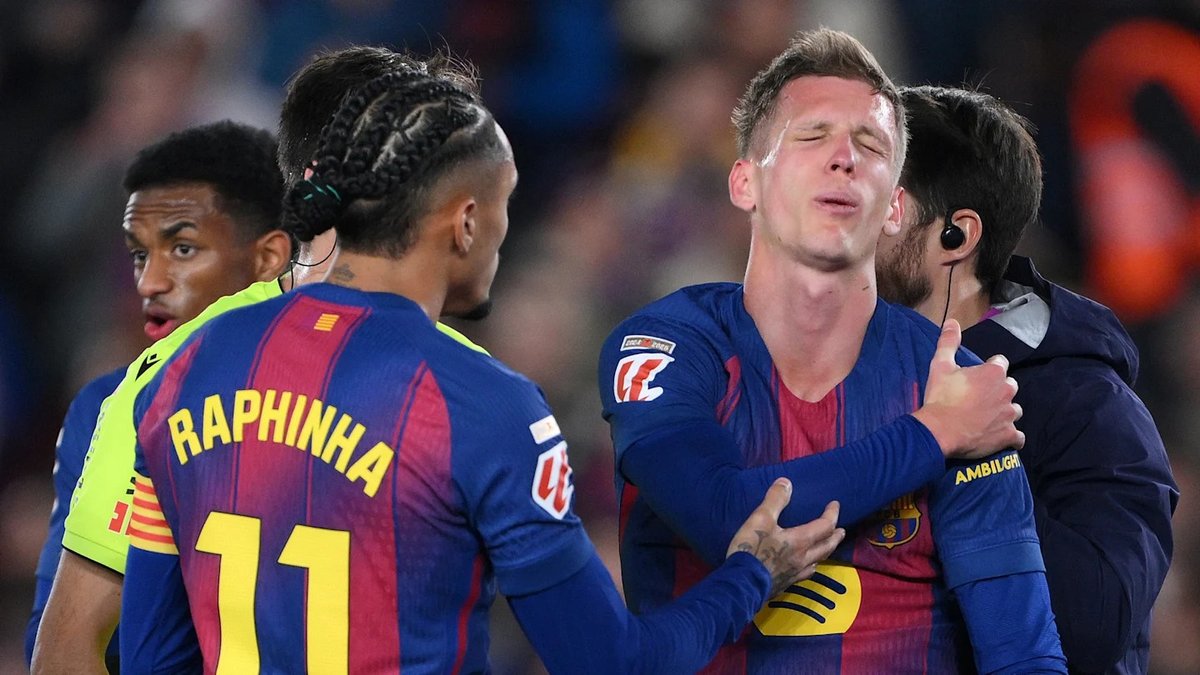
The whistle has blown, the crowd is roaring, but wait—who's missing from the starting lineup? For any serious football fan, fantasy league manager, or astute sports bettor, the Reporte de Lesionados y Sancionados—the official Player Injury and Suspension Report—isn't just a list; it's a critical early indicator of a team's fortunes. These reports reveal the unseen architects of victory and defeat, offering a crucial glimpse into which players are unavailable and why, shaping everything from tactical decisions to match outcomes.
At a Glance: Understanding Player Availability
- Injury Reports aren't just about big names: Even minor "physical discomfort" can sideline key players, forcing tactical changes.
- Suspensions vary: From automatic one-match bans for red cards or accumulated yellows to longer disciplinary actions.
- Return dates are estimates: Lesions (injuries) like tendon or knee issues often have projected recovery timelines, but setbacks happen.
- Teams strategically manage information: Clubs might be vague about minor issues to keep opponents guessing.
- Impact is massive: Player availability directly influences team form, morale, betting odds, and fantasy football points.
- Stay updated: Reliable sources provide the latest on player status, crucial for informed decisions.
The Unseen Architects of Victory: Why Injury and Suspension Reports Are Game-Changers
In the fast-paced world of professional football, a single missing player can unravel a meticulously crafted strategy. Imagine Real Madrid without its formidable defensive backbone, or a prolific striker sitting out due to accumulated yellow cards. This isn't just bad luck; it's a fundamental shift in dynamics that impacts squad depth, tactical flexibility, and ultimately, results on the pitch.
For coaches, these reports dictate everything from pre-match formations to mid-game substitutions. For fans, it's about managing expectations and understanding performance fluctuations. And for those engaged in fantasy sports or betting, an accurate understanding of who’s in and who’s out can mean the difference between triumph and despair. The 'Reporte de Lesionados y Sancionados' acts as the ultimate roster reveal, an early warning system that provides clarity in an otherwise unpredictable game.
Beyond the 'Out': Unpacking the Player Injury Report
When a player is listed as "lesionado," it's more than just being unavailable. It's a complex scenario involving the type, severity, and estimated recovery time of their injury. These details paint a picture of how long a team might be without a crucial asset and the ripple effect his absence will have.
Understanding Injury Terminology and Impact
- Type of Lesion (Injury): Reports often specify the nature of the injury, such as a "lesión en el tendón" (tendon injury), "lesión de tobillo" (ankle injury), "lesión de rodilla" (knee injury), or "lesión en los isquiotibiales" (hamstring injury). These terms give us an idea of the physical stress on the player and potential recovery complexity.
- Severity: While not always explicitly stated in public reports, the estimated return date often hints at the severity. A player out for weeks with a "molestia muscular" (muscle discomfort) is different from one facing months of recovery for a severe tendon tear.
- Estimated Return Date: This is the golden nugget of information. Whether it's "principios de Febrero 2026" (early February 2026) or a precise "hasta el 20/04/2026" (until April 20, 2026), these dates provide a timeline for fans and analysts. However, these are always estimates and can shift based on rehabilitation progress or setbacks.
- Days and Matches Absent: Some detailed reports will even quantify the number of days and matches a player is expected to miss, offering a clear picture of their contribution deficit.
Consider a long-term absence like Éder Militão's reported tendon injury at Real Madrid, with an estimated return stretching to April 20, 2026 (based on our 2025-2026 season data). This isn't just a missed game; it's an entire segment of the season where the team's defensive strategy must adapt without a cornerstone player. Similarly, the simultaneous knee and ankle injuries of Antonio Rüdiger and Ferland Mendy, both estimated to return around February 2, 2026, would create a significant defensive void that requires deep squad rotation or tactical overhauls.
Even less severe issues, like the "molestias físicas" (physical discomfort) reported for players like K. Mbappé or Rodrygo in January 2026, can be strategically critical. While not a severe tear, lingering discomfort can prevent a player from performing at their peak, or worse, lead to a more serious injury if not managed carefully. These brief, seemingly minor issues highlight the constant tightrope walk clubs face in balancing player fitness with match demands.
Sitting on the Sidelines: Deciphering Suspension Reports
Beyond physical ailments, disciplinary actions frequently remove players from contention. Understanding the "sancionados" (sanctioned players) means knowing the rules of the game, both on and off the pitch.
Common Types of Sanctions
- Red Card or Second Yellow Card: This is the most straightforward. An automatic dismissal from a match usually results in an automatic one-match ban for the subsequent fixture. Depending on the offense's severity, the disciplinary committee might extend this initial ban. For instance, a straight red card for violent conduct will almost always incur a longer suspension than two bookable offenses.
- Accumulation of Yellow Cards: This rule is a common feature in many leagues, including Spain's La Liga. Typically, once a player accumulates five yellow cards over a season, they are handed a one-match suspension. The count then resets or partially resets, depending on league rules. This type of suspension requires strategic planning from coaches, who might rest a player on four yellows to avoid losing them for a critical fixture.
- Referee's Report (Informe Arbitral): The referee's job isn't over when the final whistle blows. They can include incidents in their official match report that went unpunished or were insufficiently punished during the game. These incidents are then reviewed by the relevant disciplinary body, potentially leading to retrospective bans or fines. This covers everything from off-the-ball incidents to disrespectful conduct.
The "fecha de inicio" (start date) and "fecha de regreso" (return date) are key for suspensions, providing clarity on when the player will again be eligible to play. Unlike injuries, suspensions have definite end dates, offering more predictability for team planning.
The Current Landscape: Who's Unavailable Across La Liga
Let's look at the real-world impact of these reports, drawing from the 2025-2026 season data provided. The breadth of unavailable players across various La Liga teams demonstrates just how pervasive these issues are.
Real Madrid's Extensive Casualty List
Real Madrid, a team consistently battling on multiple fronts, frequently faces the challenge of managing a deep squad through injuries. The 2025-2026 season shows a particularly challenging period:
- Long-Term Absences:
- Éder Militão: Tendon injury, estimated return: April 20, 2026. A massive blow to their central defense, requiring long-term tactical adjustments.
- Ferland Mendy: Ankle injury, estimated return: February 2, 2026. Significant for their left-back position.
- Antonio Rüdiger: Knee injury, estimated return: February 2, 2026. Another key defender sidelined, testing squad depth.
- Alexander-Arnold: Hamstring injury, estimated return: Early February 2026. A crucial creative and defensive presence missing.
- Recent Issues (January & December 2025):
- Andriy Lunin: Muscle injury (until end of January 2026). Their goalkeeper situation faces disruption.
- K. Mbappé: Knee injury/physical discomfort. Even superstar players are not immune to minor issues that can impact performance.
- Rodrygo: Physical discomfort/hamstring injury. A dynamic forward's absence always hurts offensive output.
- F. Valverde: Knee injury/muscle injury. A midfield engine often irreplaceable.
- Dean Huijsen: Physical discomfort.
- Raúl Asencio: Fever.
- Dani Ceballos: Gastrointestinal problems.
- Brahim Díaz: Absent due to international commitments (not an injury/suspension but highlights unavailability).
This long list for Real Madrid showcases the relentless physical demands on top-tier players and how even a squad brimming with talent can be stretched thin.
La Liga Rivals: Key Absences Impacting Other Top Teams
It's not just the giants facing player availability issues. Across Primera División, numerous teams grapple with significant absences:
- Real Club Celta de Vigo: Manuel Fernández Arroyo (until Jan 30, 2026).
- Deportivo Alavés: Denis Suárez (until Jan 31, 2026), Facundo Tomás Garcés (long-term, until Sept 29, 2026).
- Elche CF: Héctor Fort García (until Feb 23, 2026), Rafa Mir (until Feb 1, 2026), Álvaro Núñez Cobo (until Feb 1, 2026), Aleix Febas (until Feb 1, 2026). A cluster of short-term absences impacting midfield and attack.
- Getafe CF: Borja Mayoral (long-term, until Mar 23, 2026), Abdelkabir Abqar (until Feb 2, 2026), Abu Bakarr Kamara (until Feb 2, 2026), David Cordón Mancha (until Mar 2, 2026). Mayoral's absence is a significant blow to their offensive firepower.
- Levante UD: Víctor García Raja (until Feb 1, 2026), Unai Elgezabal (until Feb 23, 2026), Kareem Tunde Ruiz (until Feb 1, 2026), Roger Brugué (long-term, until Mar 23, 2026), Diego Pampín (until Feb 1, 2026). Multiple players out for short to mid-term.
- CA Osasuna: Iker Benito (long-term, until May 25, 2026). A significant season-defining injury.
- Rayo Vallecano: Iván Balliu (until Feb 2, 2026), Andrei Rațiu (until Feb 2, 2026). Defensive absences.
- RCD Espanyol: Javi Puado (long-term, until Oct 16, 2026). A critical forward missing for a significant portion of the season.
- Real Betis Balompié: Antony (until Jan 30, 2026), Giovani Lo Celso (until Feb 9, 2026), Cucho Hernández (until Feb 22, 2026), Isco (long-term, until Mar 23, 2026), Abde Ezzalzouli (until Feb 2, 2026), Junior Firpo (until Feb 9, 2026), Aitor Ruibal (until Feb 2, 2026), Héctor Bellerín (until Jan 30, 2026), Sofyan Amrabat (until Jan 30, 2026), Rodrigo Riquelme (until Feb 15, 2026), Natan (until Feb 2, 2026). A truly extensive list of players out, particularly hitting their midfield and defensive lines. The absence of players like Isco and Lo Celso is especially impactful for their creativity.
- Real Oviedo: Eric Bailly (until Feb 1, 2026), Abdel Rahim Alhassane Bonkano (until Feb 8, 2026), Ovie Ejaria (until Feb 23, 2026).
- Real Sociedad de Fútbol: Arsen Zakharyan (until Feb 2, 2026), Alex Douma Johan Lebarbier (until Jan 31, 2026), Sergio Gómez (until Feb 2, 2026), Takefusa Kubo (until Mar 2, 2026), Yangel Herrera (until Feb 2, 2026), Duje Ćaleta-Car (until Feb 2, 2026). Key players like Kubo and Herrera out will test their depth, especially in offensive and midfield roles.
- Valencia CF: Thierry Correia (until Feb 2, 2026), Julen Agirrezabala (until Feb 2, 2026), César Tárrega Requeni (until Feb 2, 2026), Mouctar Diakhaby (long-term, until May 25, 2026), Cristian Rivero (until Feb 2, 2026). Diakhaby's long-term absence is a significant issue for their defense.
- Villarreal CF: Pau Cabanes de la Torre (long-term, until May 25, 2026), Juan Foyth (long-term, until May 25, 2026). Two significant long-term injuries impacting the squad for most of the remainder of the season.
This granular view underscores how deeply injuries and suspensions permeate the sport, impacting every team regardless of their standing.
When the Roster Changes: Tactical Shifts and Emerging Opportunities
Every time a key player is unavailable, a coach faces a puzzle. Do they replace like-for-like, or does the absence necessitate a complete tactical overhaul? This is where the 'Reporte de Lesionados y Sancionados' directly influences strategy.
- Defensive Realignments: The loss of multiple central defenders, as seen with Real Madrid's Militão, Rüdiger, and Mendy, forces coaches to either trust less experienced players or shift natural midfielders into defensive roles. This can compromise the team's balance.
- Midfield Creativity Void: When playmakers like Real Betis' Isco or Real Sociedad's Yangel Herrera are out, teams might struggle to retain possession or unlock defenses. Coaches may then opt for a more pragmatic approach, prioritizing defensive solidity over offensive flair.
- Attacking Impotence: The absence of a prolific scorer, such as Getafe's Borja Mayoral or Espanyol's Javi Puado, means the team needs other players to step up or adapt their offensive patterns to create chances differently.
- Opportunity Knocks: For every player sidelined, there's an opportunity for another. Youngsters get their chance to shine, bench players prove their worth, and squad depth is truly tested. This can sometimes unearth new talent or revitalize a player's career. For instance, if a team's primary striker is suspended, it gives a backup a chance to prove they belong in the starting lineup, much like the considerations for Inter Miami vs Club America lineups when key players are unavailable.
These reports are not just about who's out; they're about the domino effect their absence creates and the resilience required from the entire squad and coaching staff.
The Art of Reading Between the Lines: Navigating Vague Updates
Not all injury reports are created equal. Clubs, for various reasons, might offer vague updates, describing a player's condition as "molestias físicas" (physical discomfort) or "evaluating progress." While frustrating for fans, this ambiguity often serves a purpose.
- Strategic Secrecy: Clubs might keep the precise nature or severity of an injury under wraps to avoid giving opponents a tactical advantage. Knowing an opponent's key defender is playing through a minor knock could influence an attacking strategy.
- Minimizing Panic: Overly detailed reports on minor injuries could create unnecessary media frenzy or alarm among fans. Vague terms help manage expectations.
- Player Protection: Sometimes, the exact diagnosis is still unclear, or the club doesn't want to pressure a player by setting a firm return date that might not be met.
When faced with such ambiguity, it's wise to consider the player's history with injuries, the team's upcoming schedule, and recent training reports from reliable journalists. Often, "physical discomfort" can mean anything from a minor bruise to a muscle strain that hasn't been fully diagnosed yet. It almost always suggests unavailability, even if temporary.
From the Stands to the Sheets: Impact on Fantasy and Betting
For those who engage with football beyond just watching, the 'Reporte de Lesionados y Sancionados' is invaluable.
- Fantasy Football Goldmine: Knowing who's injured or suspended is the first step in optimizing your fantasy lineup. An unexpected long-term injury to a star player means you need to find a suitable replacement, while a one-match suspension might force a temporary benching. Ignoring these reports is a surefire way to accumulate zero points.
- Informed Betting Decisions: For sports bettors, these reports are foundational. A team missing its top scorer, key defender, or creative midfielder will likely see its odds adjust. Betting against a team heavily impacted by absences, or on their underdog opponent, becomes a much more calculated risk rather than a pure gamble. Conversely, a team recovering key players might represent good value if the odds haven't fully adjusted. Always cross-reference injury news with team form and historical performance.
Staying Ahead of the Curve: Your Guide to Reliable Updates
In an age of endless information, sifting through the noise to find accurate player availability news is crucial.
- Official Club Channels: The most reliable source will always be the official statements from the clubs themselves. Check their websites, social media, and official press releases.
- Reputable Sports News Outlets: Major sports news sites (e.g., ESPN, BBC Sport, Sky Sports, Marca, AS, L'Equipe for European football) often have dedicated sections for injury updates, drawing information directly from clubs and trusted reporters.
- League Websites: Official league websites (e.g., La Liga's official site) often aggregate injury and suspension information, especially regarding disciplinary actions.
- Fantasy Sports Platforms: Many fantasy football platforms integrate injury updates directly into their player profiles, making it convenient for managers.
- Journalist Accounts: Follow well-regarded football journalists and club-specific reporters on social media. They often break news and provide insights into player conditions before official announcements.
Always prioritize sources that cite official club statements or have a proven track record of accuracy. Be wary of unverified rumors, especially those circulating on less formal channels.
The Final Whistle: Actionable Insights for Every Football Enthusiast
The 'Reporte de Lesionados y Sancionados' is far more than a mere bureaucratic formality; it's a dynamic, ever-changing narrative that directly influences the beautiful game. From the long-term impact of a tendon injury to the immediate tactical headache of an accumulated yellow card suspension, every entry in these reports tells a story of challenge, resilience, and opportunity.
As a fan, understanding these reports deepens your appreciation for the tactical genius of coaches and the depth of talent within a squad. For those who play fantasy football or engage in sports betting, it's an indispensable tool for making informed, strategic decisions. The next time you check a match preview, don't just glance at the projected lineup; delve into the 'Reporte de Lesionados y Sancionados'. You'll gain an unparalleled insight into the hidden forces that truly shape the outcome on the pitch. Keep these insights in your toolkit, and you'll always be one step ahead.